Product, brand and code, from one designer.
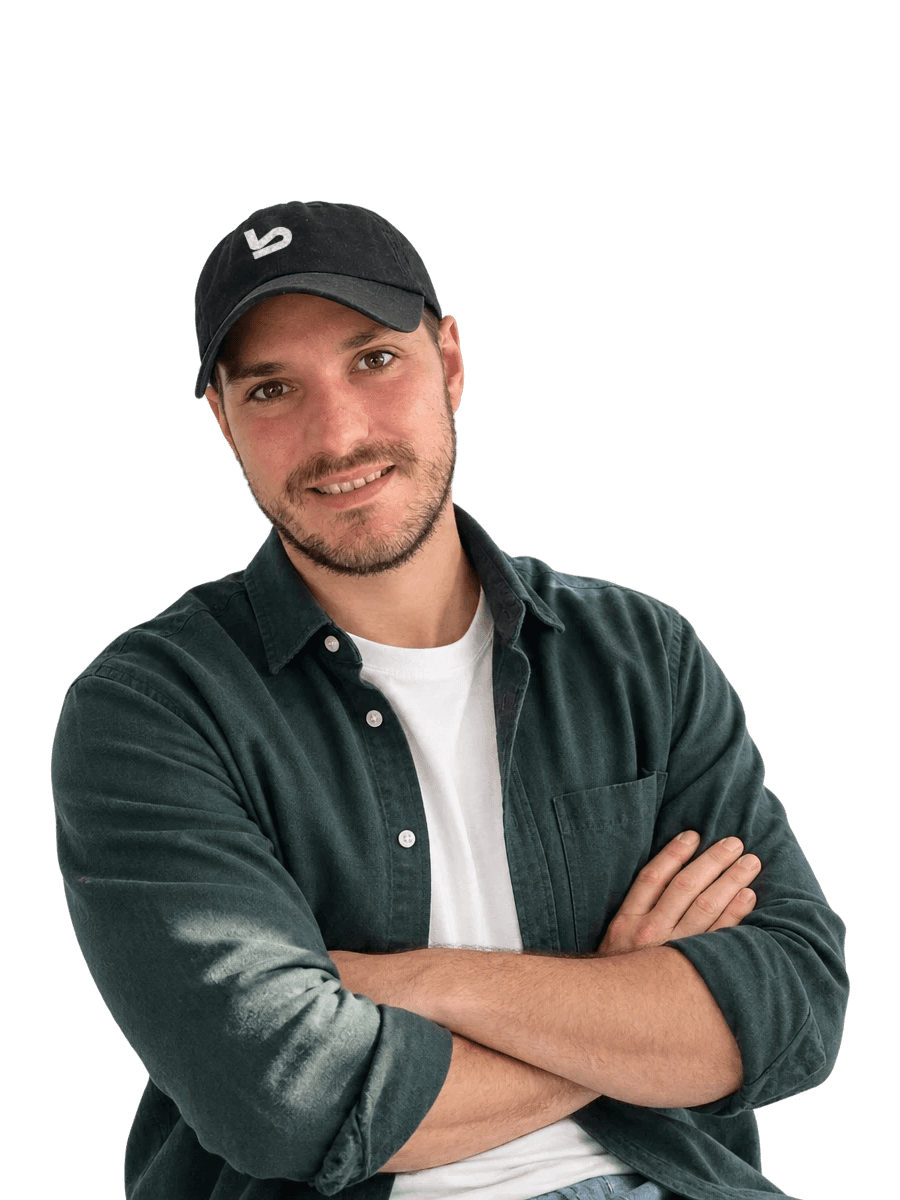
I’m Blaž, a product designer and design engineer in Ljubljana.
I spent six years in agencies, at Kreatorij and then at Futura DDB, where I became Head of Digital. Since 2024 I’ve designed every product and the brand at Gaming Systems.
Now I’m building Tessina UI, my own component library. I design it, and I vibe code its components from the ground up with Claude Code.
Ljubljana or remote · CET
What I do
Product
UX and UI for web and mobile, and the design system under them. At Gaming Systems that was all seven products, from a phone to a desktop.
Brand
Logos, identity, marketing and video, so that a product and everything around it look like they belong together. I built the Gaming Systems brand from scratch.
Code
I build what I design, in React and with Claude Code, so nothing is lost in a handoff. Tessina UI and this site are made that way.
Experience
2024–now
Senior UX/UI Designer
TRONIUS Gaming / Gaming Systems
Designed the UX, UI and design system for all seven products, and built the brand from scratch: logos, marketing, video.
2022–24
Head of Digital
Futura DDB
Led digital projects and design for McDonald’s and Spar, and scoped and estimated the work.
2021–22
UX/UI Designer, then Senior
Futura DDB
Web and mobile, from wireframes and prototypes to final design.
2020–21
Product Designer
Kreatorij
Digital products, from flows to UI, for Mercedes-Benz and Smart.
2018–19
UX/UI Designer
CNJ digital
Websites and other digital work for agency clients, Danfoss among them.
Plan. Build. Ship. Repeat.
How I work
I work in short rounds, from the brief to the release, with AI tools in every step. I draw in Figma and build with Claude Code. The decisions are mine.
Me, with AI tools
Brief and research
I read the brief and what the team has already written down, in Jira and Confluence at Gaming Systems. Then I research it further with AI tools, which help me sum it up and find what is missing, and I document what I find before I draw anything.
Me, in Claude Code or Figma
Prototype
The first prototype is built in Claude Code or in Figma, whichever suits the problem better. Claude Code proposes a plan, and I approve it before it writes any code.
Me, the developers and the key people
Review
I walk the team through the prototype and its flows. It usually goes through a few rounds: improvements to the UX or the UI, and different opinions inside the team, which give a better result in the end.
Me, in Figma and Claude Code
Design
I finish the design in Figma or in Claude Code, which Figma’s MCP server connects. Claude Code builds from my frames, and a screen that starts in Claude Design is brought back into Figma; changes go across in either direction when I ask for them. The special designs and some product components I still lay out by hand in Figma, where the AI needs guidance with the more complex layouts. After a last review with the developers, it goes to be built.
The developers, then me
Design check
When a ticket is ready, the developers let me know, and I check the running version against the design. What it still needs goes into Jira in three groups: fix before release, wait for the next sprint, nice to have.
The key people
Release
They review it one more time, and if everything is in order, it goes out to the live servers. What comes out depends on the task: a component, a bug fix or a whole product.
Tessina UI
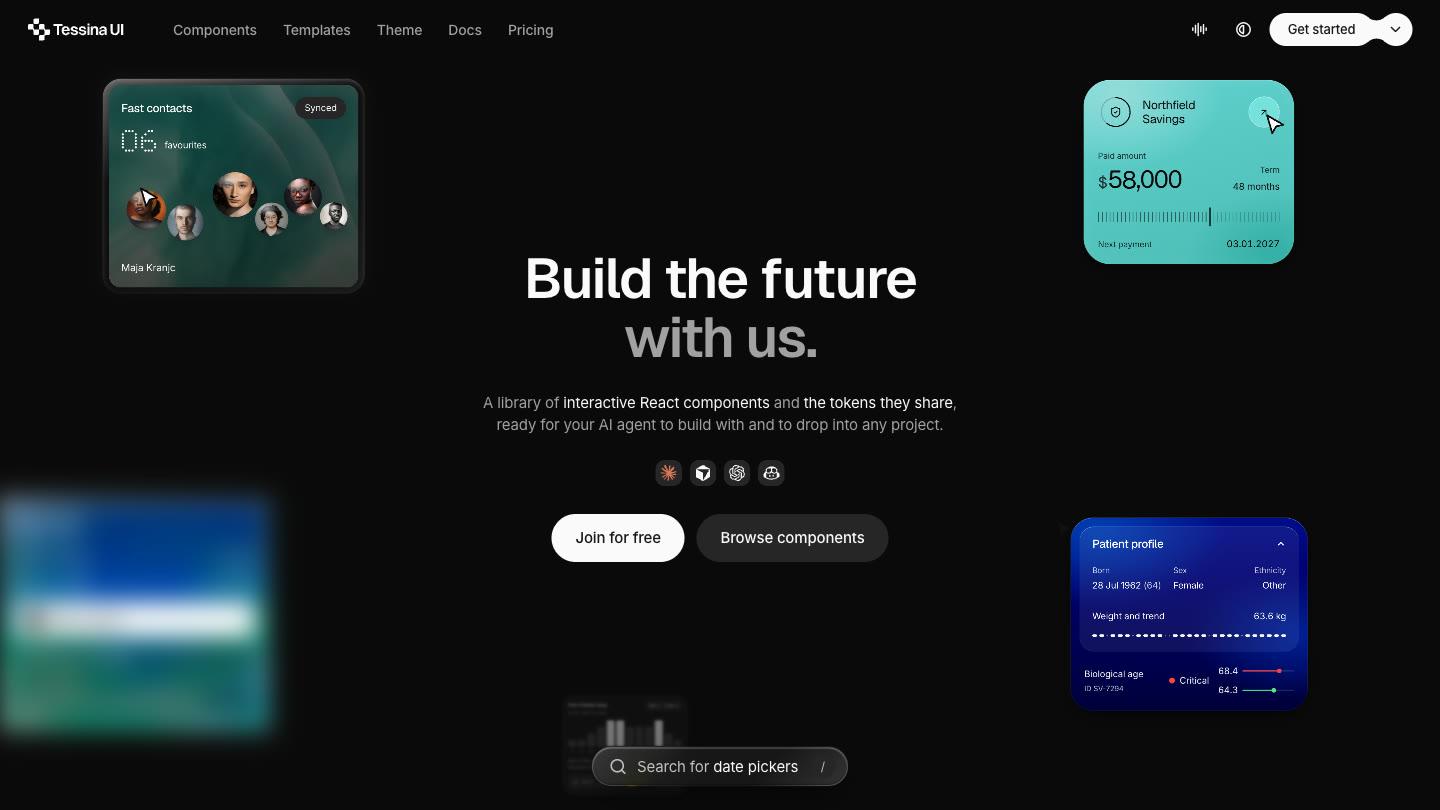
My own product: 153 React components and the tokens they share, ready for an AI agent to build with.
I designed the system and its brand, and I vibe code its components from the ground up with Claude Code, along with the documentation and the Theme Creator.
Read the case study